Korean Bibimbap
Highlighted under: Local Kitchen
Experience the vibrant flavors of Korea with this traditional Bibimbap recipe, a colorful and nutritious dish that brings together a variety of textures and tastes.
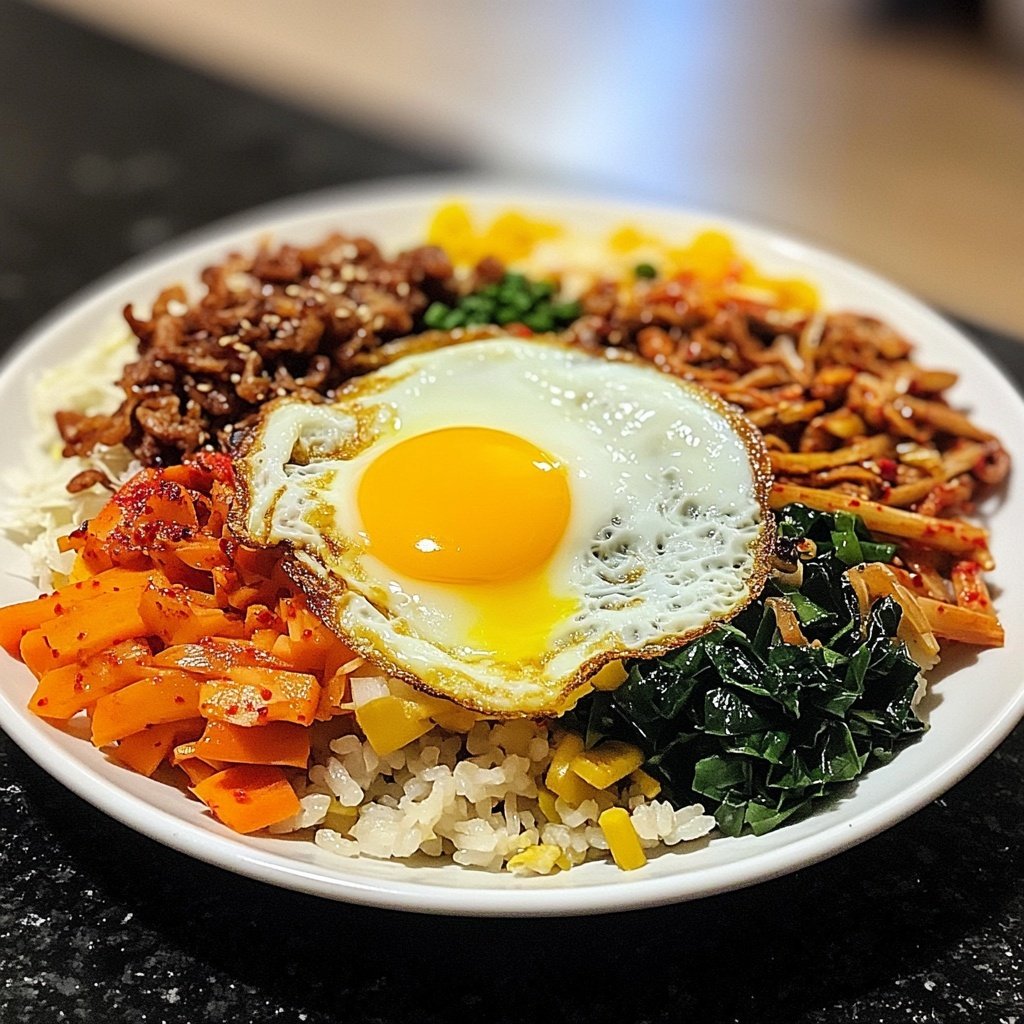
Korean Bibimbap is a beloved dish in Korea, known for its vibrant colors and delicious mix of ingredients. It’s not just a meal; it’s an experience that allows you to customize your bowl with your favorite vegetables and proteins.
Why You Will Love This Recipe
- A delightful mix of fresh and cooked vegetables
- Customizable with your choice of protein or tofu
- Rich in flavors and textures, making each bite exciting
The Origin of Bibimbap
Bibimbap is a traditional Korean dish that translates to 'mixed rice.' It is a harmonious blend of various ingredients, each contributing to the overall flavor and nutritional profile. The dish's roots can be traced back to ancient Korea, where it was commonly enjoyed as a way to use up leftover vegetables and rice. Over time, Bibimbap has evolved into a beloved staple, celebrated for its vibrant appearance and wholesome ingredients.
The dish is not only a feast for the eyes but also a celebration of colors, reflecting the abundance of Korean agriculture. Each component of Bibimbap represents the seasons, showcasing fresh produce and seasonal ingredients. This emphasis on natural flavors and diversity is a cornerstone of Korean cuisine, making Bibimbap both delicious and deeply cultural.
Nutritional Benefits
Bibimbap is a well-balanced meal that incorporates a variety of food groups. The mix of vegetables provides essential vitamins, minerals, and dietary fiber, promoting digestive health and overall well-being. Spinach is rich in iron, while carrots offer a boost of beta carotene. The addition of healthy fats from sesame oil contributes to heart health, making this dish a nutritious choice for any meal.
Moreover, Bibimbap can easily cater to different dietary preferences. Whether you're a meat lover, a vegetarian, or a vegan, you can customize your Bibimbap by choosing your favorite protein or tofu. This flexibility allows everyone to enjoy a hearty meal that aligns with their dietary needs while still indulging in the rich flavors of Korean cuisine.
Serving Suggestions
When serving Bibimbap, presentation is key. Arrange the ingredients in a colorful pattern to create an eye-catching dish that invites everyone to dig in. Consider serving it in a hot stone bowl for an authentic experience, allowing the rice to crisp up on the bottom while keeping the rest warm. This method adds an exciting texture to the dish that many find irresistible.
To enhance the flavors even further, feel free to experiment with additional toppings. Kimchi, pickled vegetables, or a sprinkle of crushed seaweed can elevate your Bibimbap experience. Pair your meal with a side of Korean soup or a refreshing salad for a complete dining experience that highlights the best of Korean flavors.
Ingredients
Gather all your ingredients before you start cooking to make the process smoother.
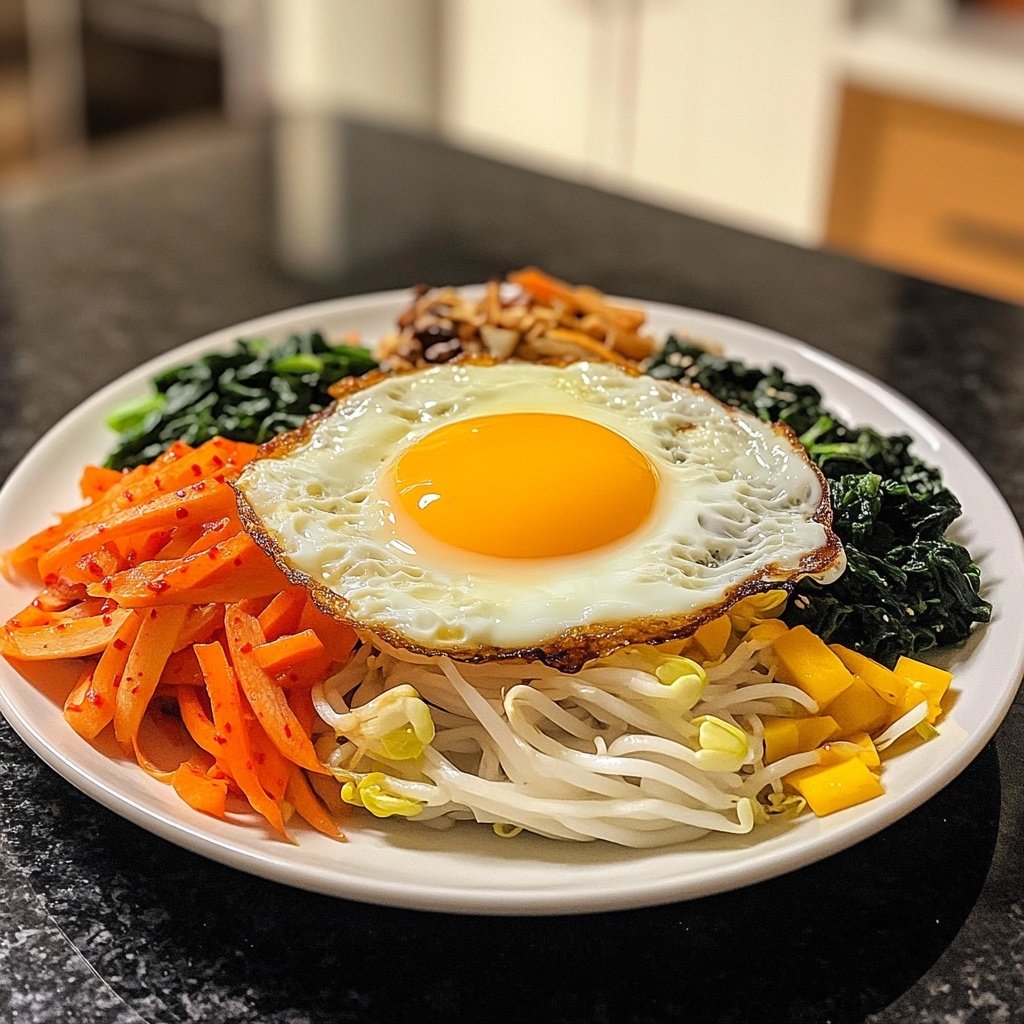
Ingredients for Bibimbap
- 2 cups cooked rice
- 1 cup spinach, blanched
- 1 cup bean sprouts, blanched
- 1 cup carrots, julienned
- 1 cup zucchini, julienned
- 1 cup shiitake mushrooms, sliced
- 2 eggs
- 2 tablespoons sesame oil
- 2 tablespoons gochujang (Korean chili paste)
- Salt to taste
- Sesame seeds for garnish
- Green onions for garnish
Feel free to adjust the vegetables according to your taste preferences or seasonal availability.
Instructions
Follow these steps to create your delicious Bibimbap.
Prepare the Vegetables
Heat a skillet over medium heat and add sesame oil. Sauté the carrots, zucchini, and mushrooms separately until they are tender. Season each with a pinch of salt.
Cook the Eggs
In the same skillet, fry the eggs sunny side up, or cook them to your preference.
Assemble the Bibimbap
In a large bowl, place a serving of rice at the bottom. Arrange the sautéed vegetables, spinach, and bean sprouts on top in a visually appealing manner. Place the fried egg on top and drizzle with gochujang.
Serve and Enjoy
Garnish with sesame seeds and chopped green onions. Mix everything together before eating to enjoy the full flavor!
Feel free to experiment with different toppings and sauces for a unique twist.
Pro Tips
- For a vegetarian version, simply omit the eggs or use tofu instead. You can also add kimchi for an extra kick.
Tips for Perfect Bibimbap
To achieve the best texture and flavor in your Bibimbap, it's essential to prepare each vegetable separately. This allows you to control the cooking time and ensure that every ingredient retains its unique taste and crunch. Blanching vegetables like spinach and bean sprouts keeps their vibrant colors and nutrients intact, making your dish not only delicious but visually stunning.
Another tip is to use short-grain rice, which is stickier than long-grain varieties. This helps the rice clump together, making it easier to mix with the other ingredients when you're ready to eat. A perfectly cooked rice base sets the stage for a satisfying Bibimbap experience.
Storing Leftovers
If you have any leftovers, Bibimbap can be stored in an airtight container in the refrigerator for up to three days. When reheating, it's best to warm the rice separately and lightly sauté the vegetables to bring back their original texture. You can also add a splash of water to the rice to prevent it from drying out during reheating.
Keep in mind that the egg is best cooked fresh when you're ready to enjoy your leftovers. This ensures you have a delicious, runny yolk that complements the other ingredients perfectly. By following these storage tips, you can enjoy your Bibimbap even after the initial meal.
Questions About Recipes
→ Can I make Bibimbap in advance?
Yes, you can prepare the vegetables ahead of time and store them in the refrigerator. Just assemble the dish when you're ready to eat.
→ What can I substitute for gochujang?
If you don't have gochujang, you can use sriracha mixed with a little sugar for a similar flavor.
→ Is Bibimbap gluten-free?
Yes, if you use gluten-free soy sauce instead of regular soy sauce and ensure other ingredients are gluten-free.
→ Can I add meat to Bibimbap?
Absolutely! Popular options include marinated beef (bulgogi) or grilled chicken.
Korean Bibimbap
Created by: Rhiannon Sutherland
Recipe Type: Local Kitchen
Skill Level: Intermediate
Final Quantity: Serves 4
What You'll Need
Ingredients for Bibimbap
- 2 cups cooked rice
- 1 cup spinach, blanched
- 1 cup bean sprouts, blanched
- 1 cup carrots, julienned
- 1 cup zucchini, julienned
- 1 cup shiitake mushrooms, sliced
- 2 eggs
- 2 tablespoons sesame oil
- 2 tablespoons gochujang (Korean chili paste)
- Salt to taste
- Sesame seeds for garnish
- Green onions for garnish
How-To Steps
Heat a skillet over medium heat and add sesame oil. Sauté the carrots, zucchini, and mushrooms separately until they are tender. Season each with a pinch of salt.
In the same skillet, fry the eggs sunny side up, or cook them to your preference.
In a large bowl, place a serving of rice at the bottom. Arrange the sautéed vegetables, spinach, and bean sprouts on top in a visually appealing manner. Place the fried egg on top and drizzle with gochujang.
Garnish with sesame seeds and chopped green onions. Mix everything together before eating to enjoy the full flavor!
Extra Tips
- For a vegetarian version, simply omit the eggs or use tofu instead. You can also add kimchi for an extra kick.
Nutritional Breakdown (Per Serving)
- Calories: 550 kcal
- Total Fat: 20g
- Saturated Fat: 3g
- Cholesterol: 185mg
- Sodium: 650mg
- Total Carbohydrates: 80g
- Dietary Fiber: 6g
- Sugars: 5g
- Protein: 18g